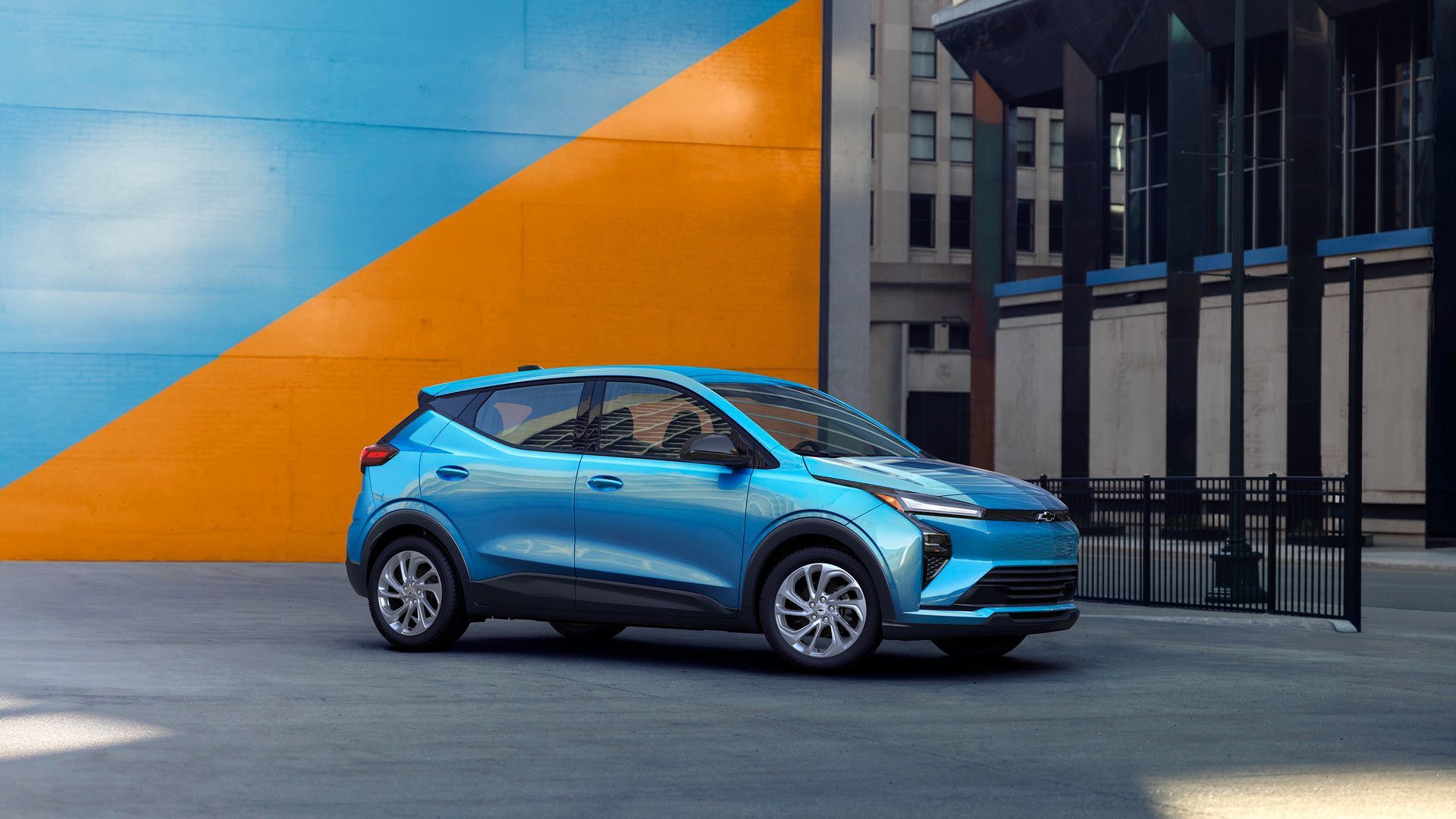
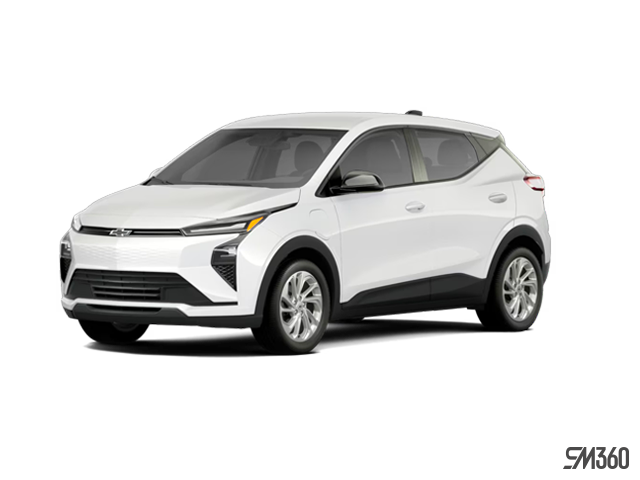
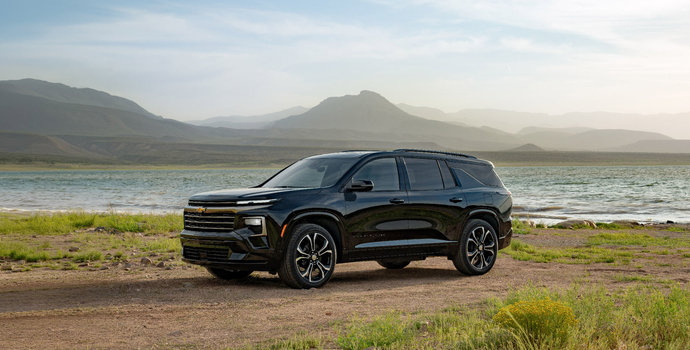
If you are weighing an electric vehicle against your current gas-powered car, the math is where the decision often lands. With fuel prices in the GTA averaging 179.9 cents per litre this April, every fill-up chips away at your budget — and the 2027 Chevrolet Bolt is built to help you skip the pump almost entirely.
This guide walks you through exactly what the Bolt costs to power in Ontario, how the numbers compare to a gas equivalent, and what the charging experience looks like day to day. If you drive in and around Toronto, the savings add up faster than most drivers expect. Here is what to factor in as you decide.
Explore GM Electric Vehicles
Experience efficient driving, lower running costs, and advanced electric performance designed for everyday life.
Shop Electric Vehicles >
Why the 2027 Chevrolet Bolt Is Engineered for Efficiency
The 2027 Bolt uses a 65 kWh lithium iron phosphate battery paired with a single permanent magnetic drive motor producing 210 horsepower and 169 lb-ft of torque. GM-estimated range on a full charge is up to 410 km, which covers roughly eight times the 50 km the average Canadian drives per day, according to the GM press release referencing NRCan data.
Because the Bolt uses electricity instead of gasoline, the per-kilometre cost drops dramatically. There is no fuel pump, no oil changes, and no spark plugs. That structural difference is what drives the annual savings calculation below.
Fuel Savings at a Glance: Bolt vs. a Comparable Gas Vehicle
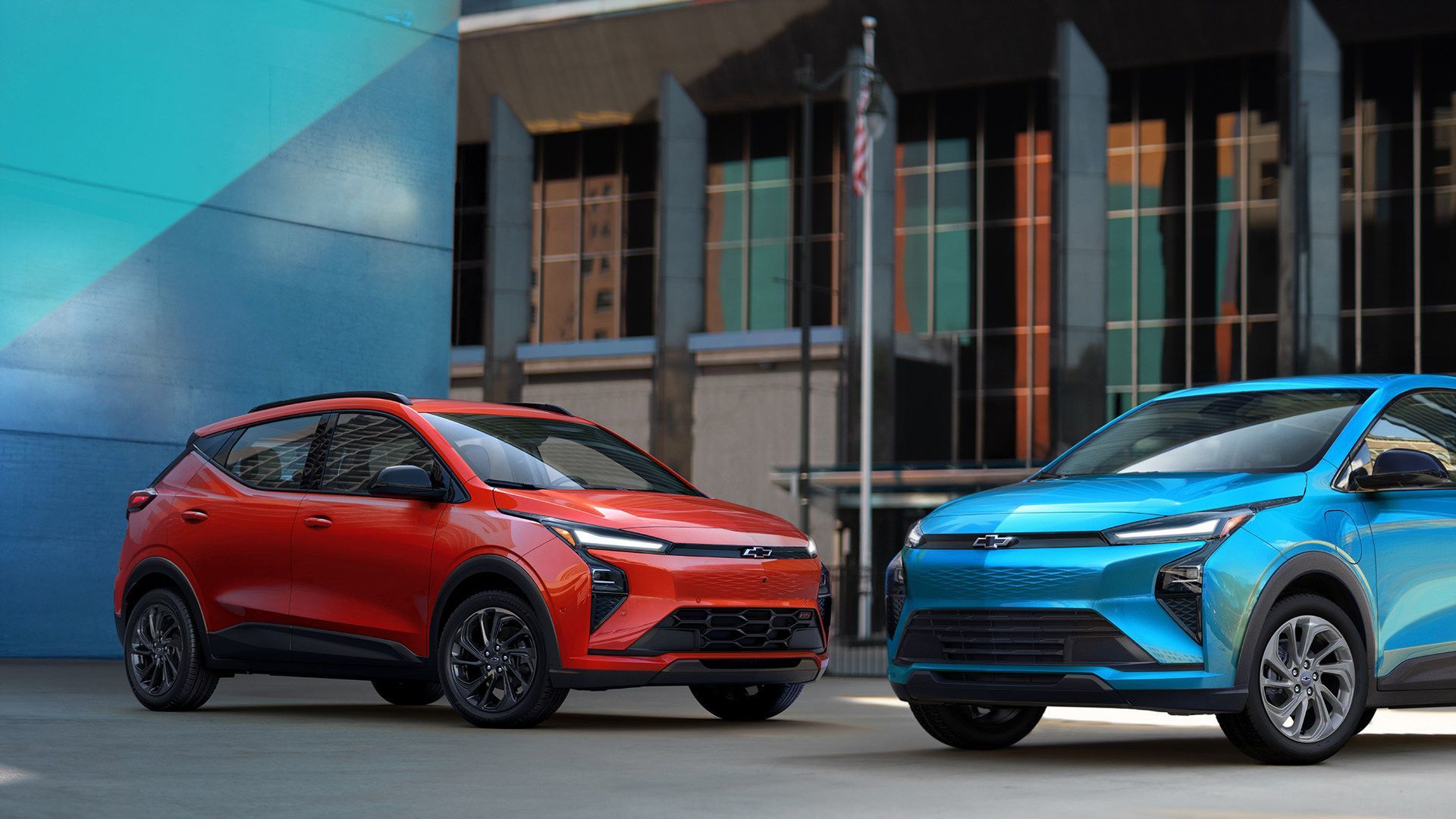
The table below compares the cost to drive 20,000 km per year — a common Ontario annual mileage — between the 2027 Bolt and a typical small gas vehicle consuming 7.5 L/100 km.
Annual Energy Cost Comparison (20,000 km/year, Ontario)
|
Metric
|
2027 Chevrolet Bolt
|
Comparable Gas Vehicle
|
|
Energy source
|
Electricity
|
Gasoline
|
|
Consumption rate
|
~16.0 kWh per 100 km (battery ÷ range)
|
7.5 L per 100 km
|
|
Cost per unit
|
$0.122/kWh (ON off-peak avg.)
|
$1.799/L (April 2026 GTA avg.)
|
|
Annual cost to drive 20,000 km
|
~$390
|
~$2,699
|
|
Estimated annual savings
|
~$2,309
|
—
|
Calculations based on the Bolt's 65 kWh battery and GM-estimated 410 km range (≈16.0 kWh/100 km). Ontario Energy Board off-peak residential rate used; actual rates vary by utility and time-of-use period. Your results will vary with driving style, weather, and charging habits.
Breaking Down the Ontario Math
Ontario's time-of-use electricity pricing rewards EV drivers who charge overnight. Off-peak rates currently sit in the low teens per kWh, while on-peak hours are roughly double. Charging the Bolt primarily overnight is where the meaningful savings come from.
Here is the daily picture for a Toronto commuter driving 50 km each weekday:
- Daily energy use: about 8 kWh
- Daily charging cost at off-peak rates: roughly $1
- Equivalent gas cost for the same 50 km at 7.5 L/100 km: about $6.75
That is close to $6 saved every weekday, or nearly $1,500 over a year of commuting alone — before you factor in weekend driving, road trips, or avoided oil changes.
Charging the 2027 Bolt: Two Options, Zero Fuss
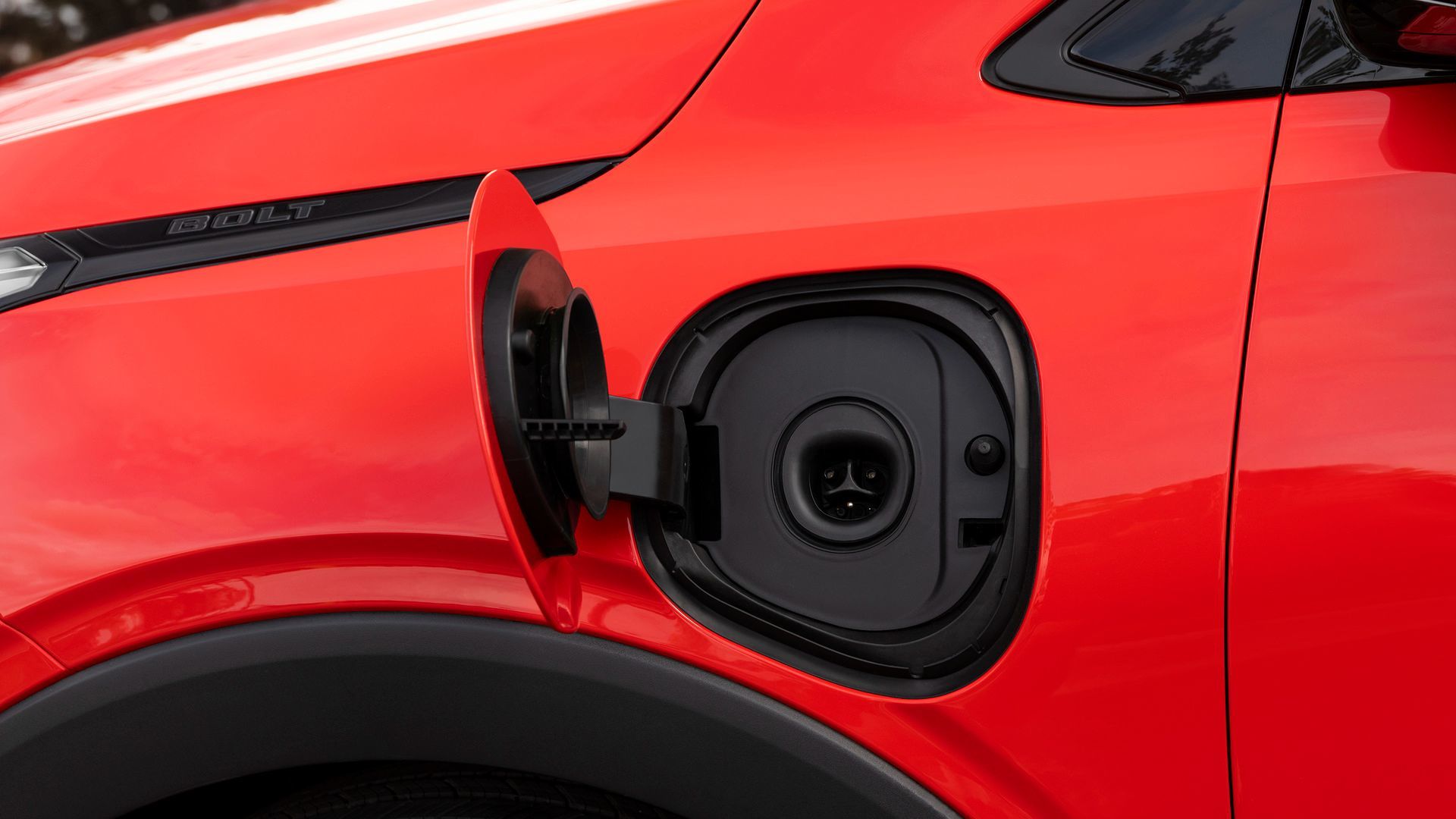
The Bolt comes with two charging methods that fit how most Ontario drivers actually live.
Standard Dual Level Charge Cord
Every 2027 Bolt, in both LT and RS trims, includes the Dual Level Charge Cord as standard. Plugged into a 240-volt outlet, it adds approximately 42 km of range per hour of charge, which means a full overnight recharge at home is realistic for almost any daily driver. On a standard 120-volt household outlet, you gain roughly 6 km per hour — fine for top-ups.
Standard DC Fast Charging With a NACS Charge Port
The 2027 Bolt is the first Chevrolet with a native NACS charging port, which opens up a much wider network of public fast chargers across Ontario. DC fast charging is capable of up to 150 kW, taking the battery from 10% to 80% in 26 minutes. That is ideal for road trips to Ottawa, Muskoka, or Niagara — plug in during a coffee stop and head back out.
Home vs. Public Charging: What to Use When
|
Charging Method
|
Speed
|
Best Use Case
|
|
120V household outlet
|
~6 km/hour
|
Occasional top-ups, backup charging
|
|
240V Dual Level Charge Cord (standard)
|
~42 km/hour
|
Everyday overnight home charging
|
|
DC Fast Charger (NACS, up to 150 kW)
|
10%–80% in 26 min
|
Road trips, quick top-ups on the go
|
Is the 2027 Bolt Right for Your Driving Pattern?
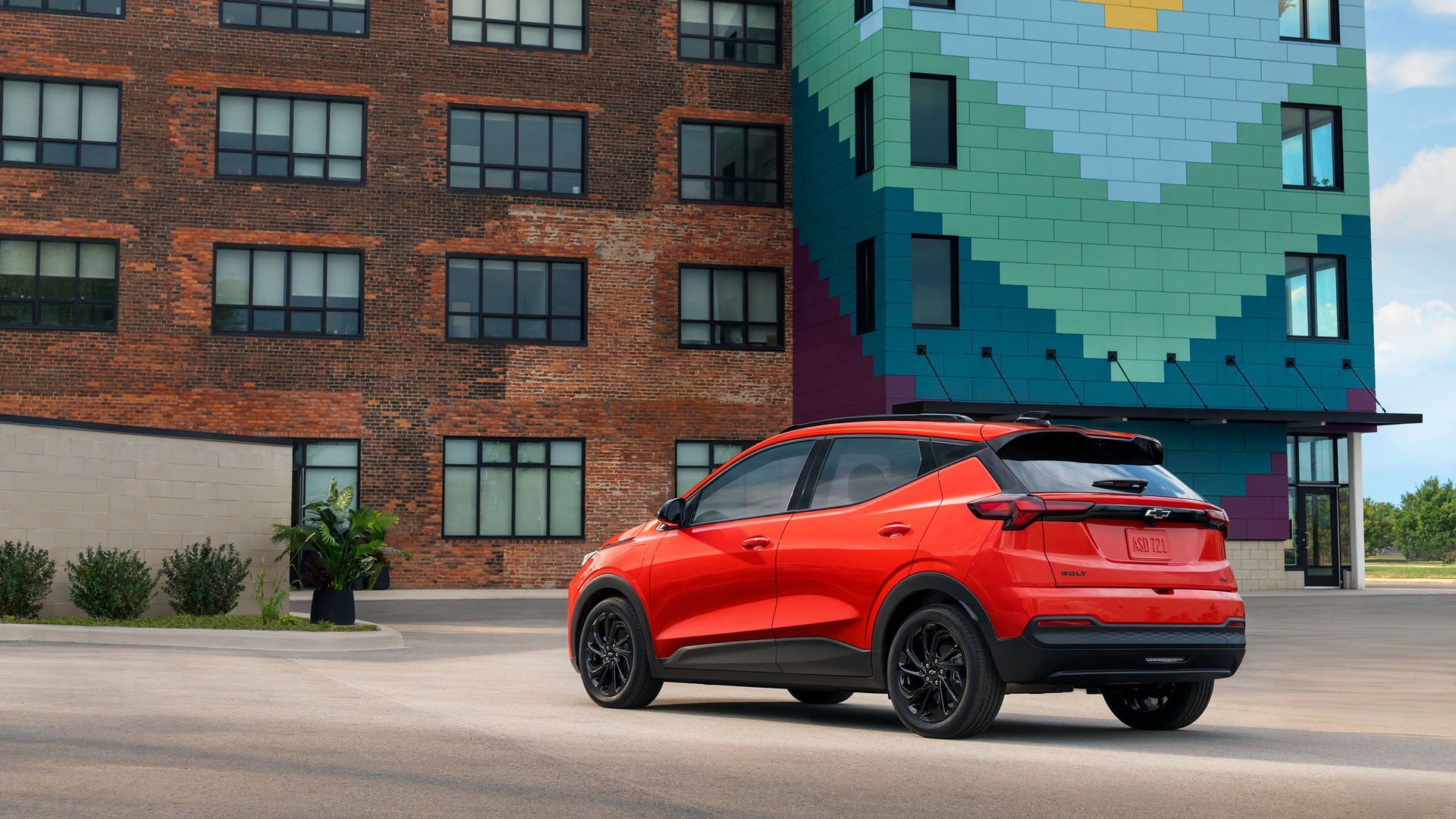
The Bolt makes the strongest case for three kinds of Toronto drivers. Commuters who drive 30 to 80 km per day and have access to a home 240V outlet will see the biggest per-kilometre savings. Families who run errands across the GTA and want predictable monthly costs benefit from locking in electricity pricing instead of watching gas prices swing. Drivers who already do most of their trips within a 200 km radius — Toronto to Hamilton, Oshawa, or Barrie — rarely need public charging at all.
The 2027 Bolt also comes with an 8-year or 160,000 km battery warranty, giving you long-term confidence in the powertrain that drives those savings.
See the 2027 Chevrolet Bolt at City Buick Chevrolet GMC
The easiest way to understand how much the 2027 Bolt could save you is to run the numbers against your actual driving. Swing by City Buick Chevrolet GMC in Toronto to sit in the Bolt, review charging options for your home or condo, and talk through what an Ontario EV switch would mean for your weekly budget. Our team can walk you through both the LT and RS trims and help you decide which configuration fits your daily routine best.
You might also be interested in these blogs: 2027 Chevrolet Bolt vs. 2025 Equinox EV and 2025 Blazer EV: Which Electric Chevrolet is Best for Toronto Commuters?, Complete Charging Guide for Chevrolet's Electric Vehicle Lineup, Ranking Every Chevrolet and GMC Electric Truck by Range